Multi-Platinum Pro Tools
Advanced Editing, Pocketing and Autotuning Techniques. With Brady Barnett. Focal Press, 2006. Eight chapters over 320 pages, more than 300 colour illustrations, and a DVD carrying the actual session. Publisher's page.
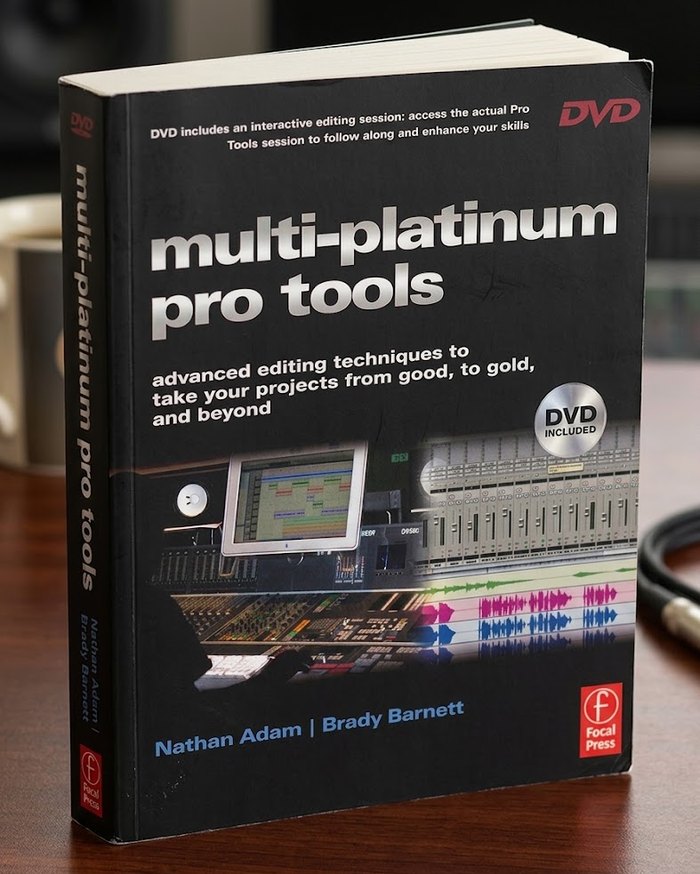
What it is about
Two techniques, mostly. Pocketing is the business of nudging recorded performances against each other until a band that played slightly apart sounds like a band that played together. Autotuning, which is just pitch correction with a brand name attached, is the same operation aimed at intonation instead of time.
In 2006 both of these were things every serious Nashville session was doing and virtually nobody was writing down. The knowledge moved between engineers by mouth, in rooms, usually while something was rendering. Meanwhile the published literature explained what the software’s buttons did, which is not the same subject at all. So we wrote down the practice instead of the feature set. That was the entire pitch, and it was enough.
How it is built
Eight chapters that follow one session in order, rather than marching through one feature at a time. Setting up your preferences so Pro Tools quits fighting you. Building the pocket up from the drums. Beat Detective. Getting the bass player on time, which is its own chapter for reasons every engineer reading this already understands. Locking up the acoustics. Three different electric guitars, which behave like three entirely different instruments no matter what the track sheet says. Then autotuning the lead and the backing vocals.
Chapter 6 contains a section called “A bad analogy: Building our pocket”. I would like it on the record that a major academic publisher printed that, and has kept it in the catalogue for twenty years. :)
The DVD
It shipped with a DVD carrying a real Nashville session, so you could open the same material the book was describing and do the edits yourself instead of reading about me doing them. Both the pre-edited version and the final mix are on there, and that is the part that actually matters. You can hear the gap the techniques close. Nobody has to take my word for it.
That was the whole design, and I still believe in it. A technique you have only read about is not a technique you have.
Why anyone cared
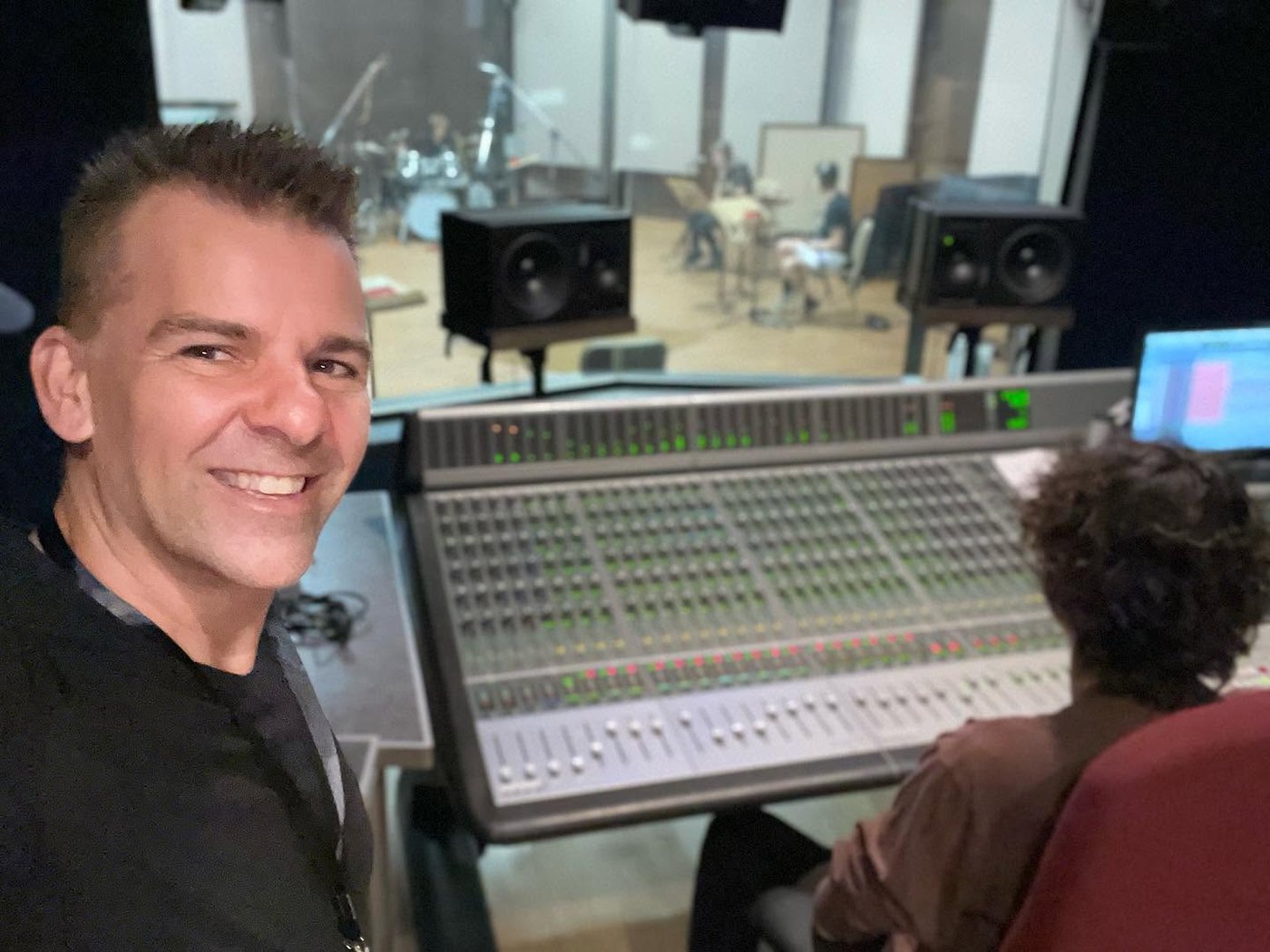
Because the argument about it was already public. MSNBC put me in front of a camera to answer whether any of this counted as cheating, which is the version of the question the general audience had. The book is the version for the people doing it, and it takes the same position: these are tools for making a record sound like the performance everyone in the room believed they gave.
What the trade press made of it
Two notices, both from early 2007. Barry Rudolph wrote it up in his New Toys column that April and said he owned a lot of Pro Tools books, and that none of them tied their examples to actual record productions the way this one did. That is the compliment I would have picked if I had been allowed to pick.
Lighting & Sound, the previous January, managed it in seven words: “Well recommended for those serious about software.” That is the entire review. I have had longer ones that said less.
Where it is now
Out of print. Focal Press has not run it in years, and what is left is the used market, where it goes for about the price of a sandwich. Seven sellers on Amazon when I looked in September 2026, the cheapest around three dollars.
I am not wounded by that. It documents a version of Pro Tools nobody runs any more, and three dollars is about what a twenty-year-old book about software ought to cost. What is odd is that the second book, which is sixty pages shorter and five years newer, sells used for more than fifteen times as much. I have no theory. If you have one, I would like to hear it.
Brady Barnett
Brady is an independent producer and recording engineer and a co-owner of Of Sound Mind Productions in Nashville. He had cut gold and platinum records across rock, pop, country and contemporary Christian, and he was fast in a way that students came out of his classes talking about. Not accurate-fast. Fast enough that you'd miss the move if you blinked.
The book exists because of that, not because of me. All I did was notice that a room full of students would queue up for his class and that nothing he knew had ever been written down anywhere.
Related
The second book is Pro Tools 9: The Mixer’s Toolkit. The company of the same name is Multi-Platinum.com.
Wondering which half of your own work is at risk?
Ten questions about how you actually get paid, and my honest read on what's exposed and what isn't. No score, because a score would be a number I made up.